

What Are Elbow Sports and Ligament Injuries?
Elbow sports and ligament injuries are common among athletes and active individuals, especially those who perform repetitive arm movements. These injuries involve damage to the ligaments that stabilize the elbow joint, often resulting from overuse, poor mechanics, or trauma during high-intensity activity. Without proper treatment, they can lead to chronic pain and reduced performance.
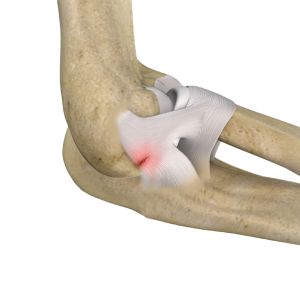
Causes of Elbow Sports and Ligament Injuries
These injuries are most often caused by repetitive stress or sudden trauma during physical activity. Common causes include:
- Throwing sports: Baseball pitchers, javelin throwers, and quarterbacks frequently stress the elbow ligaments.
- Racquet sports: Tennis and squash can lead to ligament strain from repetitive swinging motions.
- Weightlifting: Lifting heavy loads with improper technique can put excessive stress on the elbow joint.
- Contact sports: Football, wrestling, and martial arts may cause ligament tears from direct impact or hyperextension.
Types of Elbow Sports and Ligament Injuries
There are several types of elbow ligament injuries, each varying in severity:
- Ulnar collateral ligament (UCL) injury: Commonly associated with throwing sports (e.g., baseball), this injury involves a tear or sprain of the UCL, which is crucial for elbow stability.
- Tennis elbow (lateral epicondylitis): This condition results from repetitive overuse of the forearm muscles, causing pain and inflammation in the elbow joint.
- Golfer’s elbow (medial epicondylitis): Similar to tennis elbow, but it affects the inner part of the elbow due to repetitive flexion and twisting movements.
- Elbow dislocations: A direct blow to the elbow can cause the bones in the joint to become misaligned, stretching or tearing the ligaments.
- Olecranon bursitis: Inflammation of the bursa (a fluid-filled sac) at the elbow, often caused by repetitive pressure or trauma.
What Are the Symptoms of Elbow Sports and Ligament Injuries?
Symptoms can vary based on the severity of the injury, but common signs include:
- Pain along the inner or outer elbow, especially during movement
- Swelling or stiffness around the joint
- Instability or a feeling that the elbow may “give out”
- Decreased range of motion or strength
- Popping or snapping sensations during activity
How Are Elbow Ligament Injuries Diagnosed?
Diagnosis starts with a detailed history and physical exam, often followed by imaging tests:
- X-rays to rule out fractures
- MRI or ultrasound to assess ligament integrity
- Stress tests to evaluate joint stability
Early diagnosis is key to preventing long-term damage.
What Are the Treatment Options for Elbow Ligament Injuries?
Treatment plans vary depending on the severity:
- Rest and activity modification
- Anti-inflammatory medications
- Bracing or taping for support
- Physical therapy to restore strength and motion
- Surgical reconstruction for complete ligament tears (such as Tommy John surgery)