

What Is Elbow Trauma?
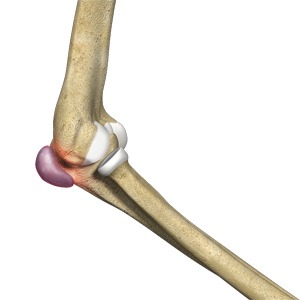
Elbow trauma refers to any injury involving the bones, ligaments, tendons, or muscles around the elbow joint. These injuries can range from mild strains and bruises to severe fractures or dislocations. Because the elbow is a complex hinge joint responsible for arm movement and stability, trauma can significantly affect your ability to perform daily tasks.
Causes of Elbow Trauma
Elbow trauma can occur due to a variety of accidents or activities. Common causes include:
- Falls: Landing on an outstretched arm is one of the most frequent ways to injure the elbow.
- Direct impact: A blow to the elbow during sports or an accident can result in fractures or contusions.
- Overuse: Repetitive motions in sports like tennis or baseball can lead to ligament or tendon damage.
- Twisting injuries: Sudden forceful movements can dislocate or strain the elbow joint.
What are the Symptoms of Elbow Trauma?
Depending on the severity and type of injury, symptoms may vary. Common signs of elbow trauma include:
- Pain at the elbow, especially when moving the joint
- Swelling or bruising around the elbow
- Limited range of motion
- Numbness or tingling in the forearm, hand, or fingers
- Visible deformity, especially with dislocations or fractures
How Is Elbow Trauma Diagnosed?
Diagnosis typically begins with a physical examination and review of symptoms. Your physician may order imaging tests such as:
- X-rays to detect fractures or dislocations
- MRI or CT scans for soft tissue injuries or complex trauma
These tools help determine the exact nature of the injury and guide appropriate treatment.
What are the Treatment Options for Elbow Trauma?
Treatment depends on the type and severity of the injury:
- Rest, ice, and elevation for minor injuries
- Immobilization with a brace or sling
- Physical therapy to restore strength and mobility
Surgery for severe fractures, ligament tears, or dislocations