

What Are Hand and Wrist Sports and Ligament Injuries?
Hand and wrist sports injuries are common, particularly among athletes who rely on their hands for gripping, throwing, or striking. Ligament injuries in the hand and wrist typically occur due to overuse, sudden trauma, or repetitive movements. These injuries can impair function, affect grip strength, and limit an athlete's ability to perform. Early diagnosis and treatment are crucial to a successful recovery.
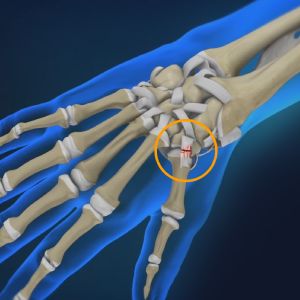
Causes of Hand and Wrist Sports and Ligament Injuries
These injuries are usually caused by activities that put stress on the wrist and hand ligaments. Common causes include:
- Repetitive motions: Athletes in tennis, baseball, and gymnastics often experience ligament strain from repetitive wrist use.
- Trauma from falls: A fall on an outstretched hand can lead to sprains or fractures in the wrist ligaments.
- High-impact sports: Contact sports like football or rugby can result in direct blows to the hand or wrist.
- Overuse in weightlifting: Incorrect lifting techniques can strain the ligaments in the wrist, especially during overhead lifts or heavy gripping motions.
Types of Hand and Wrist Ligament Injuries
There are several types of hand and wrist ligament injuries, each with varying severity and treatment requirements:
- Scaphoid fractures: Often caused by falling on an outstretched hand, this injury affects the scaphoid bone, which is connected to several wrist ligaments.
- Gamekeeper’s thumb (UCL injury): A tear or sprain of the ulnar collateral ligament in the thumb, common in sports involving gripping and twisting motions.
- Wrist sprains: Overstretching or tearing of ligaments in the wrist, often resulting from trauma or falls.
- TFCC injuries: Tears in the triangular fibrocartilage complex, which can cause pain and instability in the wrist.
What Are the Symptoms of Hand and Wrist Sports and Ligament Injuries?
Signs of a hand or wrist ligament injury may include:
- Pain along the wrist or hand, especially with movement
- Swelling or bruising around the joint
- Limited range of motion or difficulty with gripping
- Instability or a feeling that the wrist may give way
- Tenderness at specific points around the wrist or hand
How Are Hand and Wrist Ligament Injuries Diagnosed?
Diagnosis typically involves a physical examination, followed by imaging tests to assess ligament damage:
- X-rays to rule out fractures
- MRI or ultrasound to evaluate soft tissue and ligament tears
- Stress tests to assess the stability of the wrist or hand joints
What Are the Treatment Options for Hand and Wrist Ligament Injuries?
Treatment options depend on the severity of the injury:
- Rest and ice to reduce swelling and pain
- Splinting or bracing to immobilize the wrist or hand
- Anti-inflammatory medications to manage pain
- Physical therapy to restore strength and mobility
- Surgical repair for severe ligament tears or instability, especially in athletes
What Is Ulnar Sided Wrist Pain?
Ulnar sided wrist pain refers to discomfort or pain located on the inner side of the wrist, near the ulna bone, which is one of the two bones in the forearm. This area of the wrist is vital for wrist stability and movement, and pain here can interfere with everyday tasks. Identifying the cause of the pain is crucial for effective treatment and recovery.
Causes of Ulnar Sided Wrist Pain
Ulnar sided wrist pain can result from various conditions, typically involving injury, overuse, or underlying medical conditions. Common causes include:
- Ulnar Tendonitis: Inflammation of the tendons on the ulnar side of the wrist, often due to repetitive activities or overuse.
- Triangular Fibrocartilage Complex (TFCC) Tears: A tear in the cartilage structure that stabilizes the wrist and helps absorb shock during movement.
- Ulnar Impaction Syndrome: Occurs when the ulna bone is longer than the radius, leading to abnormal pressure on the wrist joint.
- Fractures or Sprains: Injuries such as a distal radius fracture or sprain can lead to pain on the ulnar side of the wrist.
- Arthritis: Conditions like rheumatoid arthritis can cause joint degeneration and pain on the ulnar side of the wrist.
What Are the Symptoms of Ulnar Sided Wrist Pain?
Symptoms vary depending on the underlying cause but often include:
- Pain on the ulnar side of the wrist, particularly when bending or rotating the wrist
- Swelling around the wrist joint
- Tenderness when pressing on the ulnar side of the wrist
- Weakness in the wrist, making gripping or lifting difficult
- Limited range of motion or difficulty moving the wrist freely
How Is Ulnar Sided Wrist Pain Diagnosed?
Diagnosis typically includes a physical examination, medical history review, and imaging tests such as:
- X-rays to rule out fractures or arthritis
- MRI or CT scan to evaluate soft tissue damage, such as TFCC tears or tendonitis
- Ultrasound to visualize inflammation or tears in soft tissues
What Are the Treatment Options for Ulnar Sided Wrist Pain?
Treatment options depend on the cause and severity of the pain:
- Rest and Ice: To reduce inflammation and prevent further strain
- Physical Therapy: To strengthen the wrist and restore mobility
- Anti-inflammatory Medications: To manage pain and swelling
- Bracing or Splinting: To immobilize the wrist and support healing
- Surgery: In severe cases, such as for TFCC tears or fractures, surgical intervention may be necessary
Early diagnosis and appropriate treatment can help relieve pain and prevent long-term complications.